
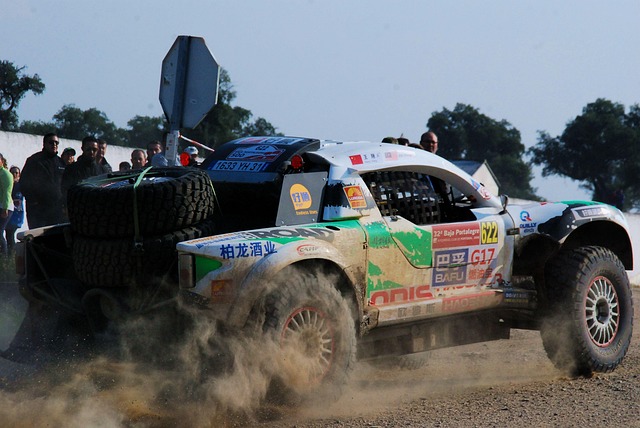


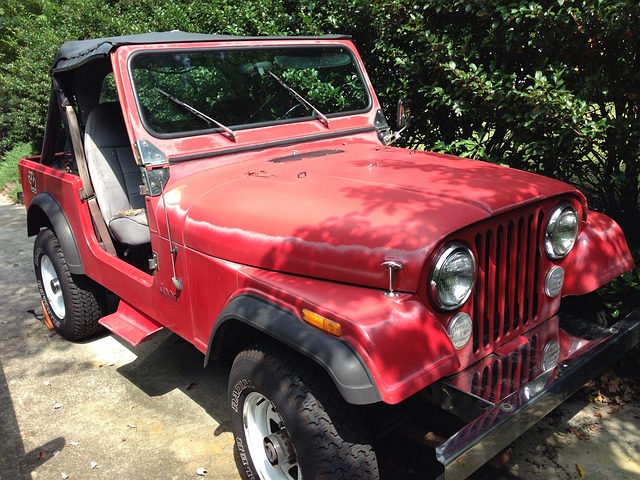
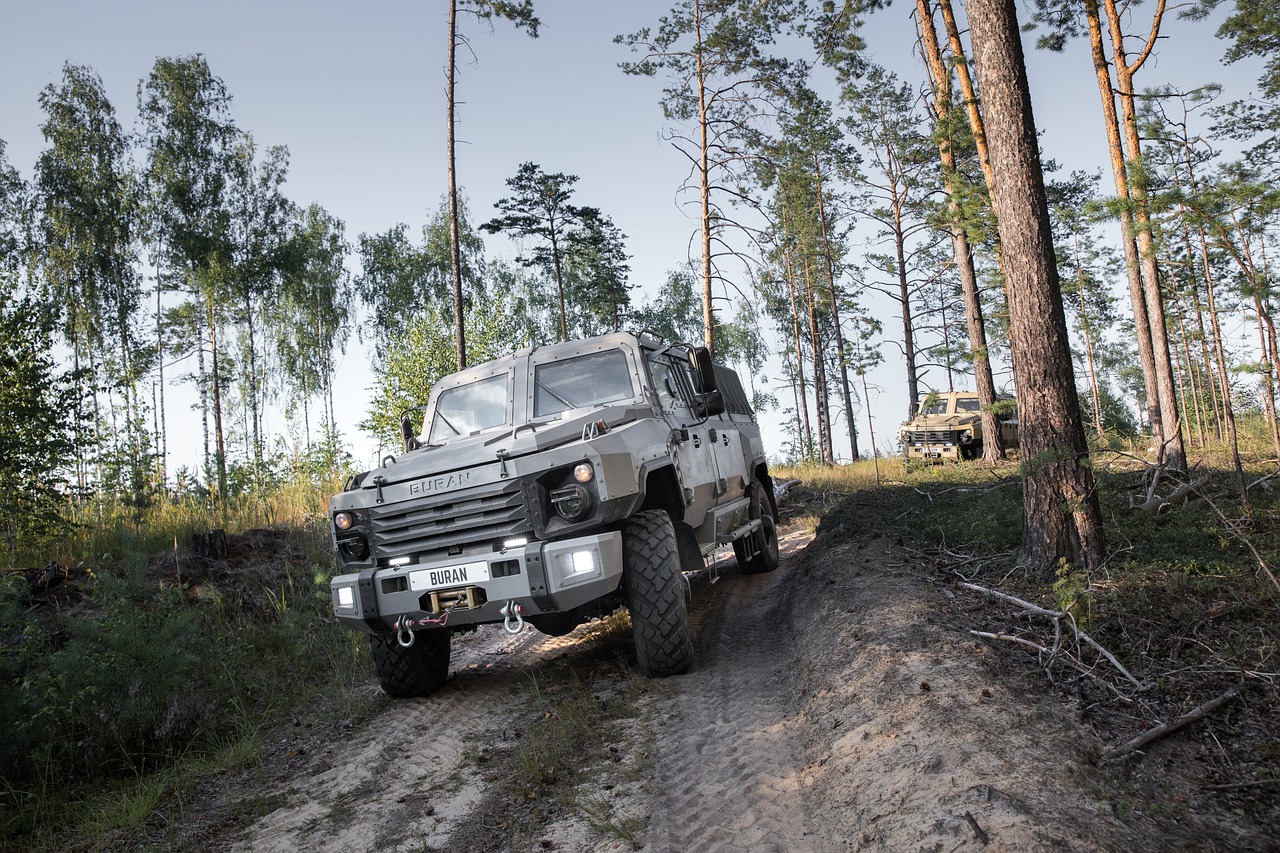
Brownsville-Jeep-Wrangler-Clubs have become a hub for passionate off-road enthusiasts seeking to enhance their Jeep Wrangler’s capabilities. With members sharing knowledge, resources, and their love for the open trail, these clubs offer a unique community for owners to connect and elevate their off-road experiences. This article delves into the world of truck lift kits, a popular modification among Wrangler owners, and how these kits can transform your vehicle for rugged terrain.
Understanding Truck Lift Kits: A Comprehensive Guide
What are Truck Lift Kits?
Truck lift kits are a collection of components designed to raise the height of a Jeep Wrangler, enhancing its off-road performance. These kits typically include upgraded suspension components, such as shock absorbers, springs, and control arms, along with body-lifting hardware. The primary goal is to increase ground clearance, allowing the Wrangler to navigate over obstacles, rocks, and rough terrain with greater ease.
Benefits of Installing a Lift Kit
- Improved Off-Road Capability: Lift kits enable Wrangler owners to access more challenging trails and terrains, opening up a world of exciting outdoor adventures.
- Enhanced Aesthetics: A lifted Wrangler gains a more aggressive and rugged look, appealing to those who desire a distinctive vehicle appearance.
- Increased Wheelbase and Ground Clearance: The kit raises the entire vehicle, providing more space between the underbody and the terrain, reducing the risk of damage.
- Better Tire Choice: Lifted Wranglers can accommodate larger tires, providing improved traction, grip, and performance on diverse surfaces.
Brownsville-Jeep-Wrangler-Clubs: Your Gateway to Lift Kit Modifications
Brownsville-Jeep-Wrangler-Clubs offer a wealth of knowledge and support for individuals considering truck lift kits. Here’s how these clubs can assist:
1. Expert Guidance and Advice
Club members often have extensive experience with various lift kit installations. They can provide valuable insights on:
- Recommended kit brands and specific models for different Wrangler years.
- Best practices for installation, including tools and techniques.
- Potential challenges and solutions for specific terrain or driving conditions.
2. Peer-to-Peer Learning
Attending club meetings or events allows direct interaction with fellow enthusiasts who have already modified their Wranglers. You can:
- Ask questions and gain first-hand experience from those who have gone through the process.
- Share your own experiences and learn from others’ successes and mistakes.
- Discover unique customization ideas and tips specific to the local off-road scene.
3. Access to Local Resources
Brownsville-Jeep-Wrangler-Clubs often have connections to local lift kit suppliers, mechanics, and body shops. They can:
- Recommend trusted businesses for purchasing kits and parts.
- Facilitate installation services or referrals to skilled technicians.
- Provide information on after-market accessories and upgrades.
Choosing the Right Truck Lift Kit for Your Wrangler
Selecting the appropriate lift kit depends on various factors, including your desired level of lift, vehicle use, and budget. Here’s a guide to help you make an informed decision:
1. Lift Height Preferences
- Light Duty (2-4 inches): Ideal for mild off-roading or daily driving, providing a subtle yet noticeable height increase.
- Moderate (4-6 inches): Suits those who frequent light to moderate off-road trails and want improved clearance.
- Heavy Duty (6+ inches): Designed for serious off-road enthusiasts seeking maximum ground clearance for extreme terrain.
2. Vehicle Year and Model Considerations
Different Jeep Wrangler models and years may require specific lift kit designs and mounting points. Ensure the kit is compatible with your vehicle by checking:
- Wrangler year and model.
- Body style (two-door or four-door).
- Specific suspension and drivetrain configurations.
3. Installation Complexity
Lift kit installations range from simple bolt-on applications to more complex processes involving frame modifications. Consider:
- Your mechanical expertise and available tools.
- The time and budget allocated for installation.
- Local laws and regulations regarding off-road modifications.
Popular Truck Lift Kit Brands for Jeep Wranglers
Several reputable manufacturers offer truck lift kits designed specifically for Jeep Wranglers, each with unique features and advantages. Here are some top brands:
1. Rugger’s Off-Road
- Key Features: Hand-crafted, full-body lift kits with adjustable coil springs.
- Pros: Customizable, high-quality construction, and excellent customer support.
- Cons: Generally more expensive due to craftsmanship and materials.
2. Skid Plate Systems
- Specialization: Focuses on extreme off-road kits with increased lift and rugged design.
- Pros: Offers heavy-duty kits for serious off-roaders, includes skid plates for added protection.
- Cons: May be overkill for casual off-roaders or daily drivers.
3. T-Max Off-Road
- Popularity: Known for affordable, bolt-on lift kits with quick installation.
- Pros: Cost-effective, easy to install, and suitable for various Wrangler models.
- Cons: Limited lift heights compared to some competitors.
4. Nite Stars Off-Road
- Unique Selling Point: Offers a range of lift kits with LED lighting packages.
- Pros: Incorporates functional and aesthetic upgrades, customizable lighting.
- Cons: Pricing can be competitive, lighting options may add cost.
Installation Process: Step-by-Step Guide
Installing a truck lift kit is a complex task that requires time, patience, and mechanical skill. Here’s a simplified step-by-step guide:
1. Preparation and Planning
- Research: Thoroughly study the kit instructions and ensure compatibility with your Wrangler.
- Gather Tools: Collect all necessary tools and equipment, including jack stands, wrenches, and impact guns.
- Clear Workspace: Prepare a clean, well-lit area for the installation, preferably on a level surface.
2. Suspension Disassembly
- Remove Wheels: Take off the wheels and tires to access the suspension components.
- Dismantle Shocks: Carefully take apart the old shocks, noting their orientation for proper reassembly.
- Support the Vehicle: Use jack stands to safely support the Wrangler while working on the suspension.
3. Install Lift Components
- Mount the Lift Shocks: Follow the kit instructions to install the upgraded shocks, ensuring proper alignment.
- Replace Springs: Swap out the old springs with the new ones provided in the kit.
- Adjust and Test: Tighten all bolts securely and test the suspension for any leaks or unusual noises.
4. Frame Modifications (if required)
- Cut and Weld: For some kits, you may need to make minor frame modifications, following the kit’s instructions carefully.
- Add Reinforcements: Include any additional frame braces or reinforcement pieces provided in the kit.
5. Final Assembly and Testing
- Reassemble: Put the wheels back on, ensuring proper alignment and tire pressure.
- Test Drive: Take the Wrangler for a spin to check for any unusual handling or noise issues.
- Fine-tune: Make any necessary adjustments to ensure optimal performance and comfort.
FAQ: Addressing Common Concerns
1. How much does a truck lift kit cost?
Lift kit prices vary widely depending on brand, lift height, and features. Light-duty kits can start from around $500, while heavy-duty systems can exceed $3000. It’s essential to research and budget accordingly, considering installation costs as well.
2. Can I install a lift kit myself?
Many lift kits can be installed by dedicated DIY enthusiasts with the right tools and knowledge. However, complex installations may require professional assistance, especially for frame modifications. Club members and local mechanics can provide guidance on your specific kit and vehicle.
3. Will a lifted Wrangler suffer from reduced fuel efficiency?
While a lifted Wrangler may consume slightly more fuel due to increased weight and drag, the impact is often minimal. Modern 4×4 vehicles, including lifted Wranglers, are designed with efficiency in mind. Proper tire selection and driving techniques can also contribute to optimal fuel economy.
4. Are there any legal restrictions on lifted Jeep Wranglers?
Local laws and regulations regarding off-road modifications vary. Some areas may have restrictions on vehicle height and lighting. It’s crucial to understand and comply with these rules to avoid legal issues. Club members can provide insights into local regulations and best practices.
5. How often should I maintain my lifted Wrangler’s suspension?
Regular maintenance is essential to ensure the longevity of your lift kit and overall vehicle health. Check your suspension components, including shocks and springs, at least every 6-12 months, or more frequently in harsh driving conditions. Top up fluids and replace worn parts as needed.
Conclusion: Elevate Your Off-Road Adventure
Brownsville-Jeep-Wrangler-Clubs offer a vibrant community for enthusiasts seeking to enhance their Jeep Wrangler’s capabilities. Truck lift kits, when chosen and installed correctly, can significantly improve off-road performance and provide a more distinctive vehicle appearance. With the right knowledge and support from fellow club members, you can make an informed decision, install your desired kit, and hit the trails with confidence.
Remember, modifying your vehicle is an exciting journey, and the Brownsville-Jeep-Wrangler-Clubs community is here to guide and inspire you every step of the way. Happy lifting, and safe adventures!