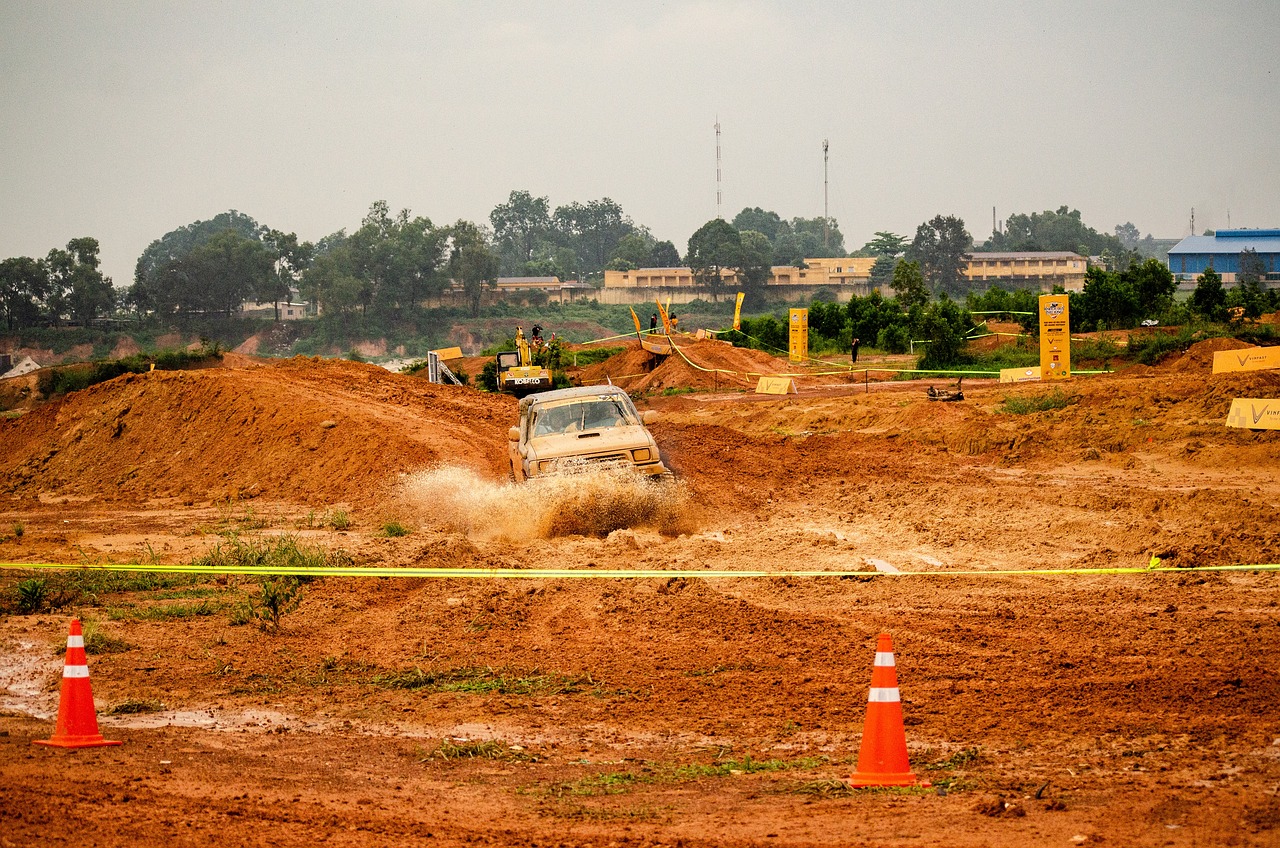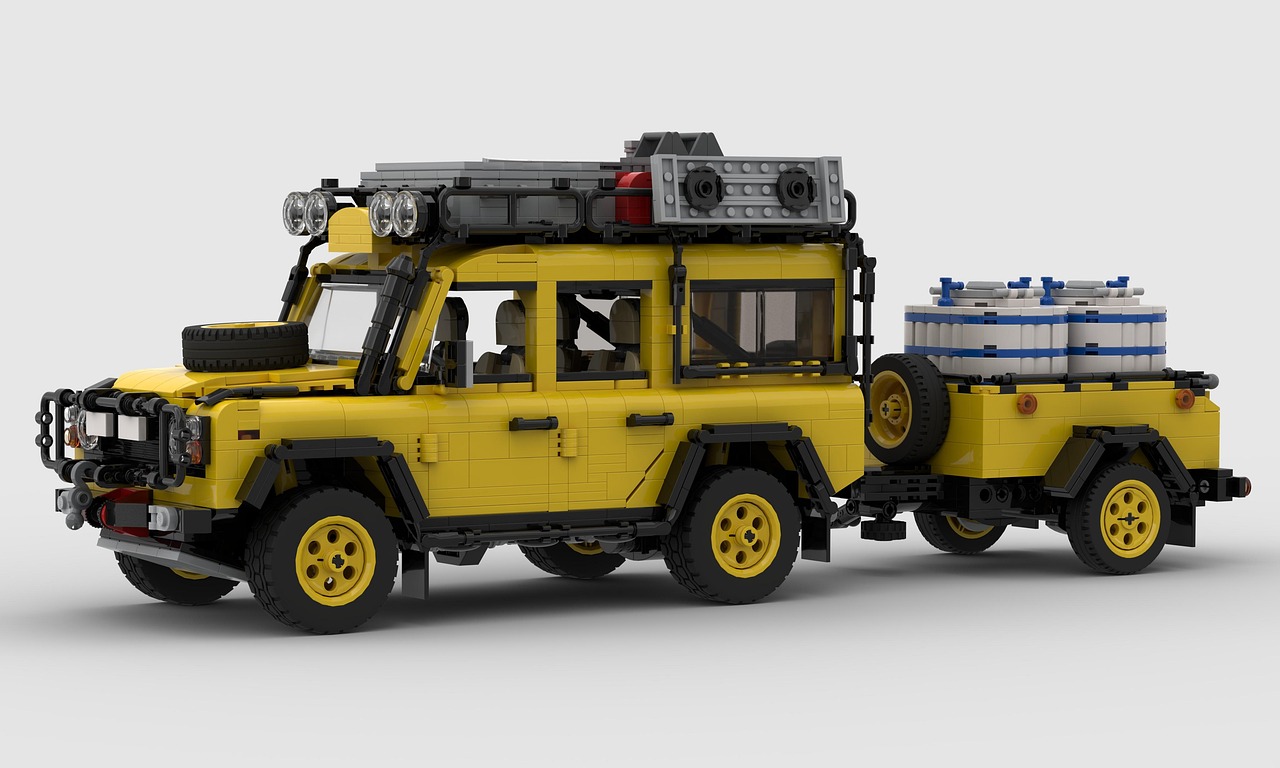
Brownsville-Jeep-Wrangler-Clubs have become a thriving community of enthusiasts who share a passion for off-road driving and modifying their Jeep Wranglers. These clubs offer more than just a place to gather; they provide a platform for members to enhance their vehicles, share knowledge, and embark on thrilling adventures. One of the most popular and functional accessories that members often incorporate into their Jeep builds is the receiver hitch. This article delves into the world of receiver hitches, exploring their benefits, installation, and the impact they have on the Brownsville-Jeep-Wrangler-Clubs community.
Unlocking the Potential of Your Jeep Wrangler
Brownsville-Jeep-Wrangler-Clubs members are known for their dedication to transforming their vehicles into capable off-road machines. A receiver hitch is a crucial component in this transformation, offering a wide range of practical applications. Here’s how it enhances your Jeep Wrangler experience:
1. Carrying Heavy Equipment
Whether you’re a construction worker, a farmer, or simply enjoy hauling heavy gear for camping or hunting, a receiver hitch allows you to securely attach a variety of trailers and accessories. From small utility trailers to large cargo carriers, members can transport equipment, tools, or even small vehicles behind their Jeep Wranglers with ease.
2. Improved Towing Capacity
Many Jeep Wranglers come standard with a towing capacity, but adding a receiver hitch can significantly increase it. This makes your Jeep more capable when towing a trailer or even a heavy boat. The added stability and secure attachment point provided by the hitch ensure a safer towing experience.
3. Versatility in Accessories
Receiver hitches are compatible with a vast array of accessories. Members can install a variety of items, such as:
- Racks: Transport bikes, ATVs, or even personal watercraft.
- Boxes: Secure cargo boxes for additional storage.
- Winches: Enhance your off-road capabilities with a powerful winch mounted to the hitch.
- Light Bars: Increase visibility during night drives or off-road excursions.
Types of Receiver Hitches
The market offers various types of receiver hitches, each designed to cater to different needs and preferences. Here’s a breakdown of the most common types:
1. Standard Receiver Hitches
These are the most basic and versatile hitches. They feature a standard-size pin and ball assembly, allowing for easy attachment of a wide range of accessories. Standard hitches are suitable for everyday use and light-to-moderate hauling.
2. Customized Receiver Hitches
Some Brownsville-Jeep-Wrangler-Clubs members opt for customized hitches tailored to their specific vehicle modifications. These hitches can be designed to accommodate unique accessory setups, such as heavy-duty winches or specialized cargo carriers. Custom hitches offer a more precise fit and enhanced security.
3. Hidden or Concealed Hitches
For those who prefer a more sleek and discreet look, hidden or concealed receiver hitches are an excellent option. These hitches are designed to be integrated into the vehicle’s body, making them less visible. While they may be more expensive, they offer a clean and modern aesthetic.
Installation and Maintenance
Installing a receiver hitch on your Jeep Wrangler is a relatively straightforward process, especially with the help of experienced club members. Many clubs organize hitch installation events, providing a supportive environment for beginners. Here’s a simplified guide to the installation process:
-
Purchase the Hitch: Start by choosing the right hitch for your Jeep’s model year and specific needs. Online retailers and local Jeep accessory stores are excellent resources.
-
Prepare Your Jeep: Clean the mounting location and ensure the area is free of debris. Some modifications to the vehicle’s chassis might be required, especially for heavy-duty hitches.
-
Line Up and Secure: Align the hitch with the receiver on your Jeep. Use jack stands or a helper for safety, as you lower the hitch into place. Secure it with the provided hardware.
-
Test and Adjust: After installation, test the hitch by gently pulling on it to ensure it’s secure. Make any necessary adjustments to the mounting hardware.
Maintenance is relatively simple as well. Regularly inspect the hitch and its hardware for signs of wear and tear. Lubricate pins and ball joints to ensure smooth operation, and always refer to the manufacturer’s guidelines for specific maintenance recommendations.
Benefits for Brownsville-Jeep-Wrangler-Clubs Members
Brownsville-Jeep-Wrangler-Clubs members reap numerous advantages by incorporating receiver hitches into their Jeep builds:
-
Enhanced Off-Road Capabilities: With increased towing and hauling capacity, members can tackle more challenging off-road trails and carry essential gear for multi-day expeditions.
-
Community Support: The clubs provide a network of like-minded individuals who share knowledge and experiences. Members often pool their resources, offering advice on hitch installation, accessory recommendations, and even selling or trading equipment.
-
Customization: Receiver hitches allow for extensive customization, enabling members to personalize their Jeep Wranglers to their unique preferences and needs.
-
Safety: A secure receiver hitch ensures that any attached accessories or trailers remain firmly in place, enhancing safety during off-road adventures.
FAQ
Q: Can I install a receiver hitch on my own, or do I need a professional?
A: While some basic installations can be done by enthusiasts with the right tools and knowledge, complex mounts or heavy-duty hitches may require professional assistance. Many clubs have experienced members who offer hitch installation services, making it a great opportunity to learn and network.
Q: How do I choose the right receiver hitch size for my Jeep?
A: Receiver hitches come in various sizes, measured by the number of holes in the mounting pattern. Ensure you match the hitch size to your Jeep’s receiver tube size. Most Jeep models have standard-size receivers, but custom hitches can be ordered for unique configurations.
Q: Are there any legal considerations when using a receiver hitch?
A: Always check local laws and regulations regarding trailer and hitch usage. Some areas may have restrictions on towing and hauling, especially in remote areas. Being aware of these regulations ensures you’re compliant and safe while using your receiver hitch.
Q: How do I maintain my receiver hitch to ensure longevity?
A: Regular cleaning and lubrication are essential. Inspect the hitch for any signs of wear, especially after off-road adventures. Follow the manufacturer’s recommendations for maintenance, which may include lubricating pins and ball joints at regular intervals.
Conclusion
Brownsville-Jeep-Wrangler-Clubs have become a vibrant community, bringing together enthusiasts who share a passion for modifying and exploring their Jeep Wranglers. Receiver hitches play a pivotal role in enhancing these vehicles, offering increased functionality and versatility. From carrying heavy equipment to improving towing capacity, these hitches have transformed the off-road experience for many club members. With the right hitch and a supportive community, Jeep owners can embark on unforgettable adventures, always ready for the next thrill.